
COIL Resources
Collaborative Online International Learning (COIL)
COIL is an educational approach that connects students from different countries through virtual courses, projects or assignments. COIL can provide students with valuable opportunities to develop global perspectives, work in multinational teams, enhance problem-solving skills and build intercultural awareness.
COIL efforts can range from occasional discussion sessions or peer interactions to fully integrated and jointly taught classes that run for a full semester. The level of commitment and COIL structure can vary according to faculty member interests, student learning goals, time zone differences, or technical platforms utilized for collaboration.
COIL Learning Community
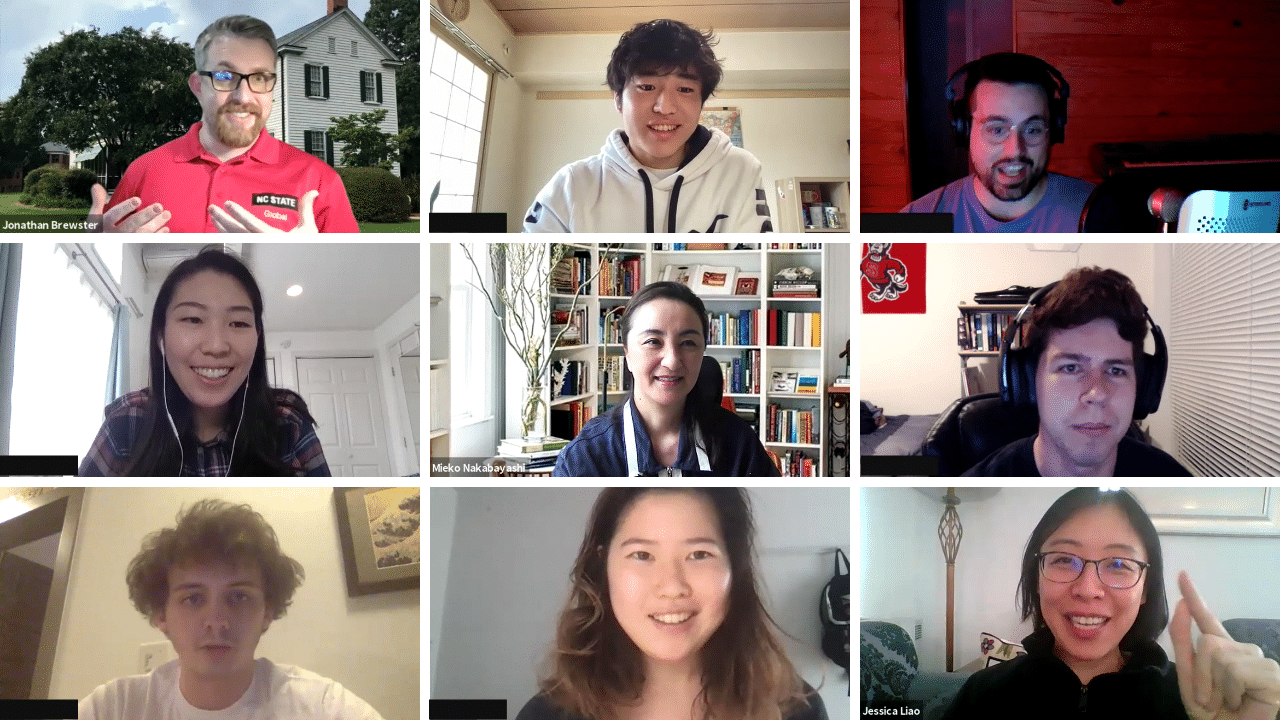
Resources
Getting Started
Incorporating online international learning into your course starts with identifying a faculty member abroad who shares this interest. The COIL Connect for Virtual Exchange website is dedicated to connecting higher education faculty around the world who are interested in COIL. Membership is free and NC State is an institutional member, so your course can be added to the database if you are seeking a partner. The Office of Global Engagement, the NC Japan Center and the NC State European Center in Prague are also available to assist you in connecting with potential collaborators.
Key Design Considerations
- What are the areas of overlap between your course and your international colleague’s course?
- How will COIL support student learning outcomes? Establishing clear connections between COIL components and course goals will inform your overall assessment of student learning (e.g., expectations for participation, collaborative assignments/projects, or critical reflection prompts.
- Can you offer a full semester of shared learning and interaction, or is a smaller-scale collaboration of several sessions a better fit? Even an exchange of guest lectures is a great starting point for building collaborative relationships that may lead to more interactive opportunities in the future.
- How will your students interact? Synchronously or asynchronously? Student interactions could take place within scheduled class meetings or outside of class depending on the different time zones involved.
Questions?
For questions, please email NC State Global